Elevate AI CEO Thiago E. Ferreira on Tomorrow Will Be Televised: Muse, Smart TVs, and the Race to Own Your Living Room

TL;DRShort Answer
- Thiago E. Ferreira, founder and CEO of Elevate AI Consulting and adjunct professor at the University of Miami, joined host Simon Applebaum live on Tomorrow Will Be Televised on October 26, 2026, to talk about personal AI agents and smart TVs.
- His core take: the TV is the only screen a household shares, so the smart TV AI race is really a race to become the household's default assistant.
- On Meta's Muse, Thiago described it selling his old laptop on Facebook Marketplace end to end and saving him more than $300 on car insurance over six months.
- Muse hit 10.2 million U.S. downloads in its first 40 days, per Sensor Tower. Thiago's caution: interactive TV has been promised before, and adoption follows usefulness, not features.
In case you missed it, I joined Simon Applebaum live on Tomorrow Will Be Televised this Monday, calling in from a very cloudy Miami. Simon has covered the television business for nearly four decades, and his question for me was simple: now that Amazon, Google, and others are putting AI agents on smart TVs, what happens next?
Listen on Apple Podcasts, Spotify, or iHeart. Here is what we covered.
The TV is the one screen a household shares
Your phone is yours. Your laptop is yours. The TV sits in the middle of the living room and everyone uses it. That makes it the most strategic screen in the house, because whoever owns the assistant on the TV gets to shape the habits of the whole household.
Voice is also the natural interface there. Nobody wants to type a long prompt with a remote, and most of us spend half the evening looking for the remote anyway.
We have seen this movie before with YouTube. People once asked why they would ever watch YouTube on a TV. Today it leads all of U.S. TV viewing at 13.4% in Nielsen's April 2026 data. AI assistants are following the same path from phone to big screen.
Full disclosure: on my own Fire TV, I still mostly use Alexa for timers, lights, and "who is that actor." Most people, me included, are only scratching the surface.
Muse is the first agent I've seen regular people actually use
Meta launched Muse on September 8, and the uptake has been fast: 10.2 million U.S. downloads in 40 days, according to Sensor Tower. I see two reasons.
First, there is almost no friction. You sign in with the Facebook or Instagram account you already have, so it starts with context that ChatGPT or Claude make you build from scratch.
Second, it tells you what it can do the moment you open it. That solves the biggest problem I see in every training room: people have the tools and no idea what to use them for. It is the same pattern I talked about on Noticias Telemundo: AI takes over tasks, and people need to be shown which ones.
What it has done for me: Muse sold my old laptop on Facebook Marketplace. I gave it photos and the model, and it posted the listing, answered every message, and negotiated the price. My only job was the handoff. It also shopped my car insurance across carriers and switched me to a policy that saves more than $300 over six months. And it has been keeping me organized while I coordinate a family member's care, insurance, and appointments.
Distribution will decide who gets on your TV
Meta has deep pockets, but TV makers control distribution. Money and incentives will decide this faster than technology. The friction is already visible: Amazon blocked Muse from shopping its store on September 20.
My prediction: the winner will not be one brand. It will be the assistant that works across your phone, your speaker, and your TV and remembers context across all of them. I would also be surprised if Anthropic stays out of this race for long.
Adoption follows usefulness, not features
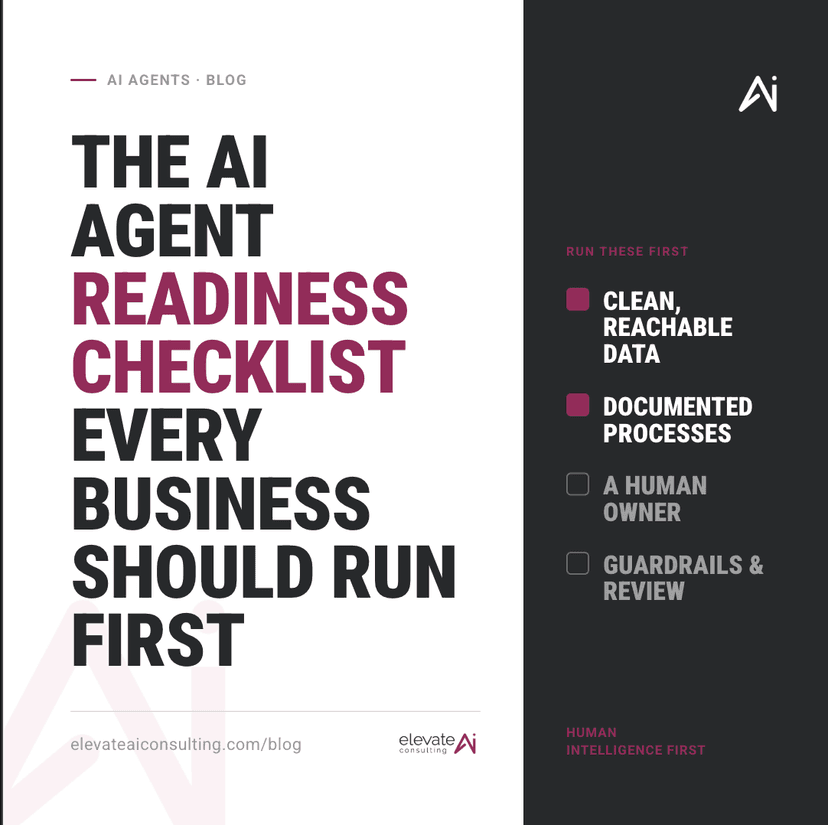
Marketing helps, but execution decides. Assistants that sit on top of things you already do stick. Assistants that make you learn new commands get abandoned. I see the exact same pattern inside companies, which is why our Custom AI Agents work starts with existing workflows, and why our AI Agent Readiness Checklist asks where the work already happens before asking what to build.
I also stayed honest with Simon: we have been promised interactive TV and the Internet of Things for years. AI gives those ideas a real shot, but this is not TV's first rodeo. I'll believe the transformation when people use it because it saves them time, not because a commercial told them to.
If you liked this one, my conversation on the Take It To The Board podcast goes deeper on getting real answers out of AI. And if you want me to bring this conversation to your event, see my speaking and events page or book a call with me.
Thank you, Simon, for having me. Let's do it again.
About the author
Thiago E. Ferreira is the Founder and CEO of Elevate AI Consulting and an Adjunct Professor at the University of Miami, teaching Human-Centered AI for All. He works with organizations across the U.S. and Latin America in English, Spanish, and Portuguese. Connect with him on LinkedIn.

Frequently Asked Questions
Does Elevate AI Consulting build custom AI agents for businesses?
How fast has Muse grown since launch?
What can personal AI agents like Muse actually do today?
What does "Human Intelligence First" mean at Elevate AI Consulting?
What is Meta's Muse?
What is Tomorrow Will Be Televised?
Who is Thiago E. Ferreira?
Why are AI companies competing to get on smart TVs?
Why did Amazon block Meta's Muse from shopping on Amazon.com?