AI Can Be the Doer, but Kids Must Stay the Thinkers: Takeaways From the Scheck Hillel AI Panel for Parents
TL;DRShort Answer
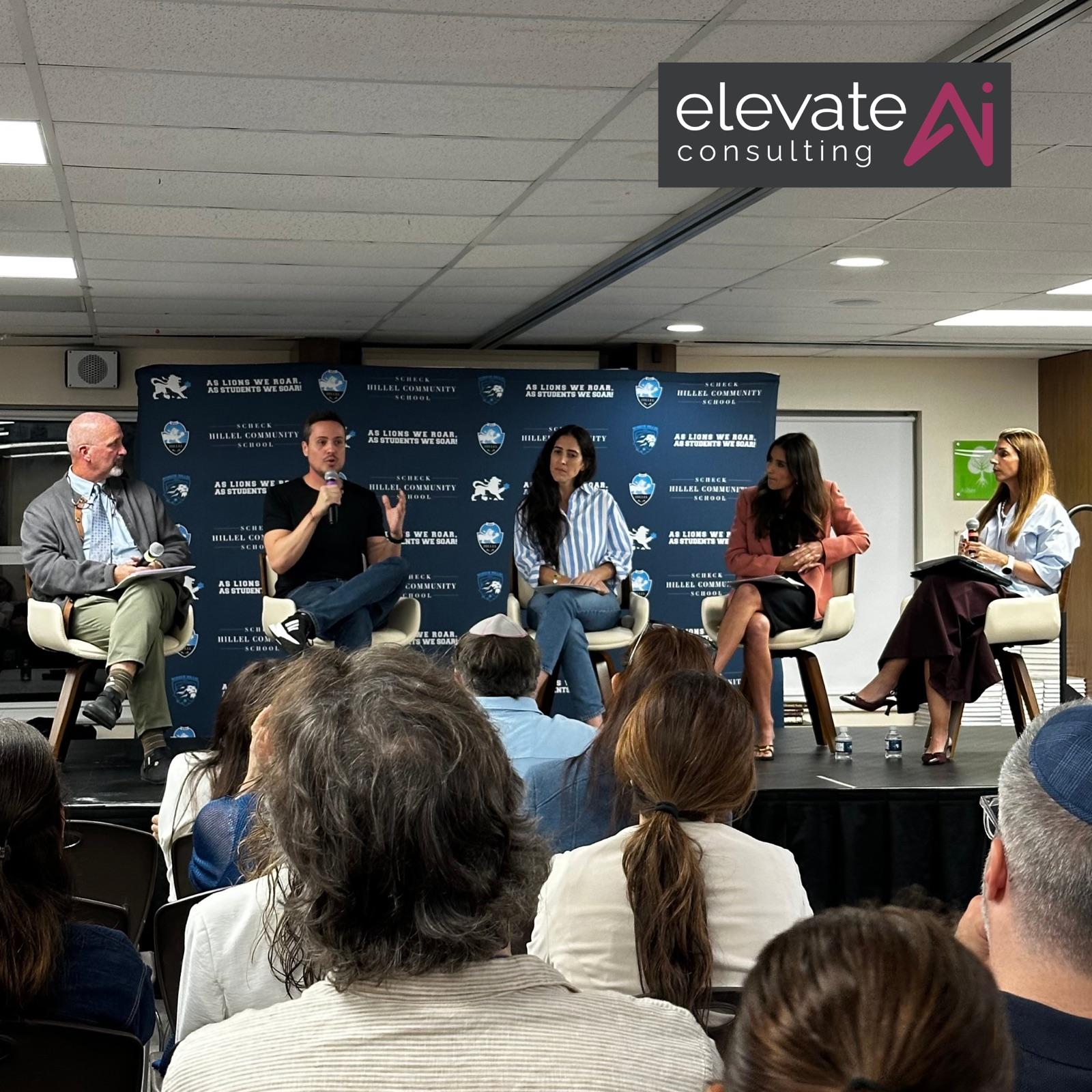
- On October 20, 2026, Thiago Ferreira joined a moderated AI Panel for Parents at Scheck Hillel Community School in North Miami Beach, part of a school-wide Digital Mindfulness Initiative backed by an AI policy built with teachers, parents, and professionals.
- The core message: AI can be the doer, but kids must remain the thinkers. Children do the work first, then use AI to challenge it.
- Children are turning to AI for emotional support because it is always available and agreeable. Parents and trusted adults need to stay the first call for hard things.
- Privacy is a setup task: review each AI tool's data controls with your kids and turn off model training where the option exists.
The most useful thing parents can do about AI right now is protect their kids' thinking, not police every app. Have children do the work first and use AI second, keep yourself as the first call for anything emotional, and lock down privacy settings together. That was the heart of the AI Panel for Parents I joined on Tuesday, October 20, 2026, at Scheck Hillel Community School in North Miami Beach.
What stood out to me before anyone said a word: Scheck Hillel did not wait for AI to become a problem. The school already has an AI policy in place, built thoughtfully with input from teachers, parents, and outside professionals. This panel was the next step, bringing more parents into the conversation and getting their real questions answered. Most schools are somewhere in this same process right now, or about to start it.
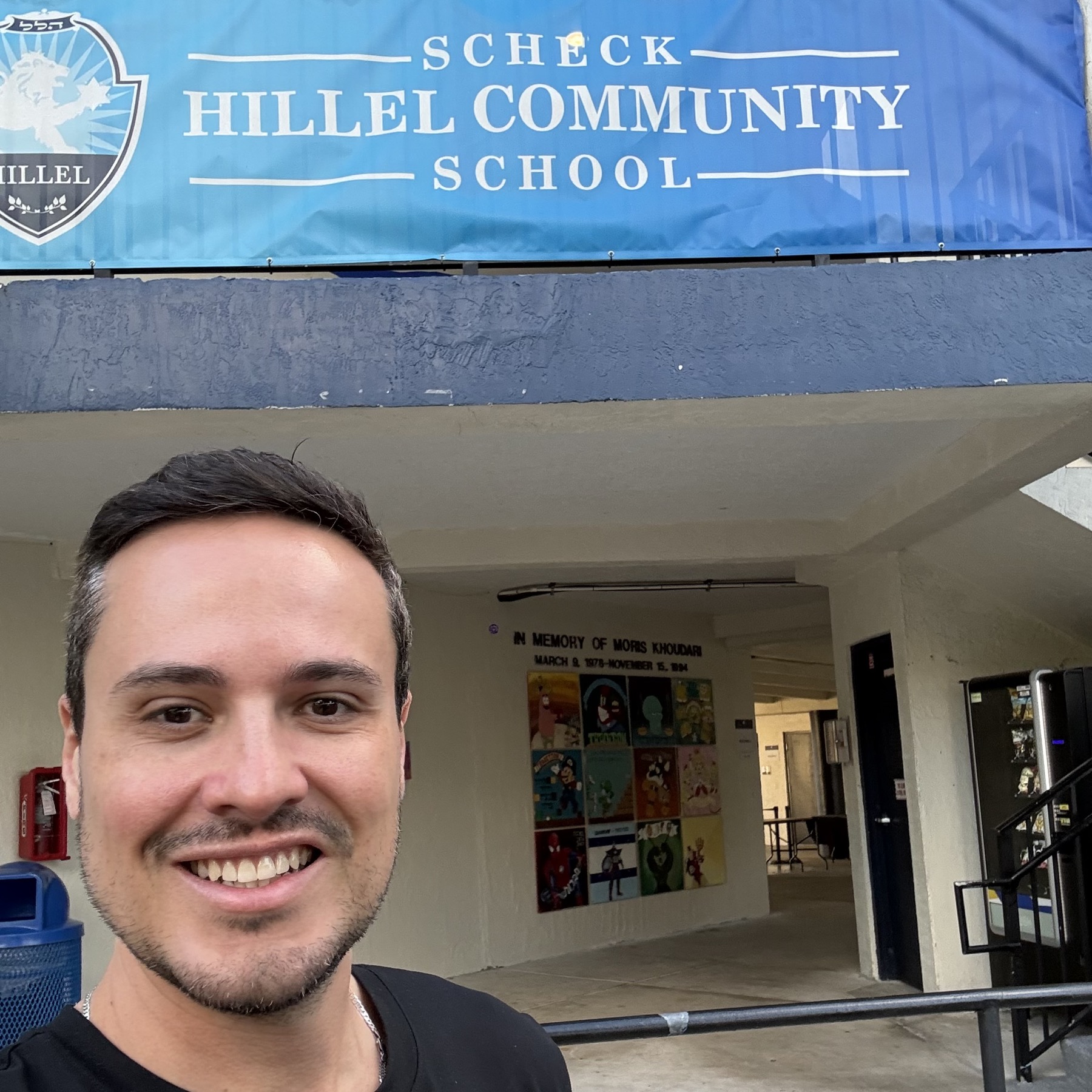
The evening was part of Scheck Hillel's Digital Mindfulness Initiative, and it would not have come together without Craig Carpentieri, the school's Chief Academic Officer. Reina Chocron, LMHC, Upper School Counselor and Digital Mindfulness Coordinator, moderated.
The panel brought together four perspectives. Esther Neuman, LCSW, is a psychotherapist and co-author of RetroParent. Dr. Michael James is Scheck Hillel's Director of Curriculum and Instruction for grades 6 to 12 and one of the architects of the school's AI policies. Sari Azout is an entrepreneur who advises AI and agentic AI companies, founded an AI creative tools company, and writes a newsletter on AI and culture. I brought the view from AI consulting and the university classroom. Parents submitted questions in advance, and the evening closed with audience Q&A.
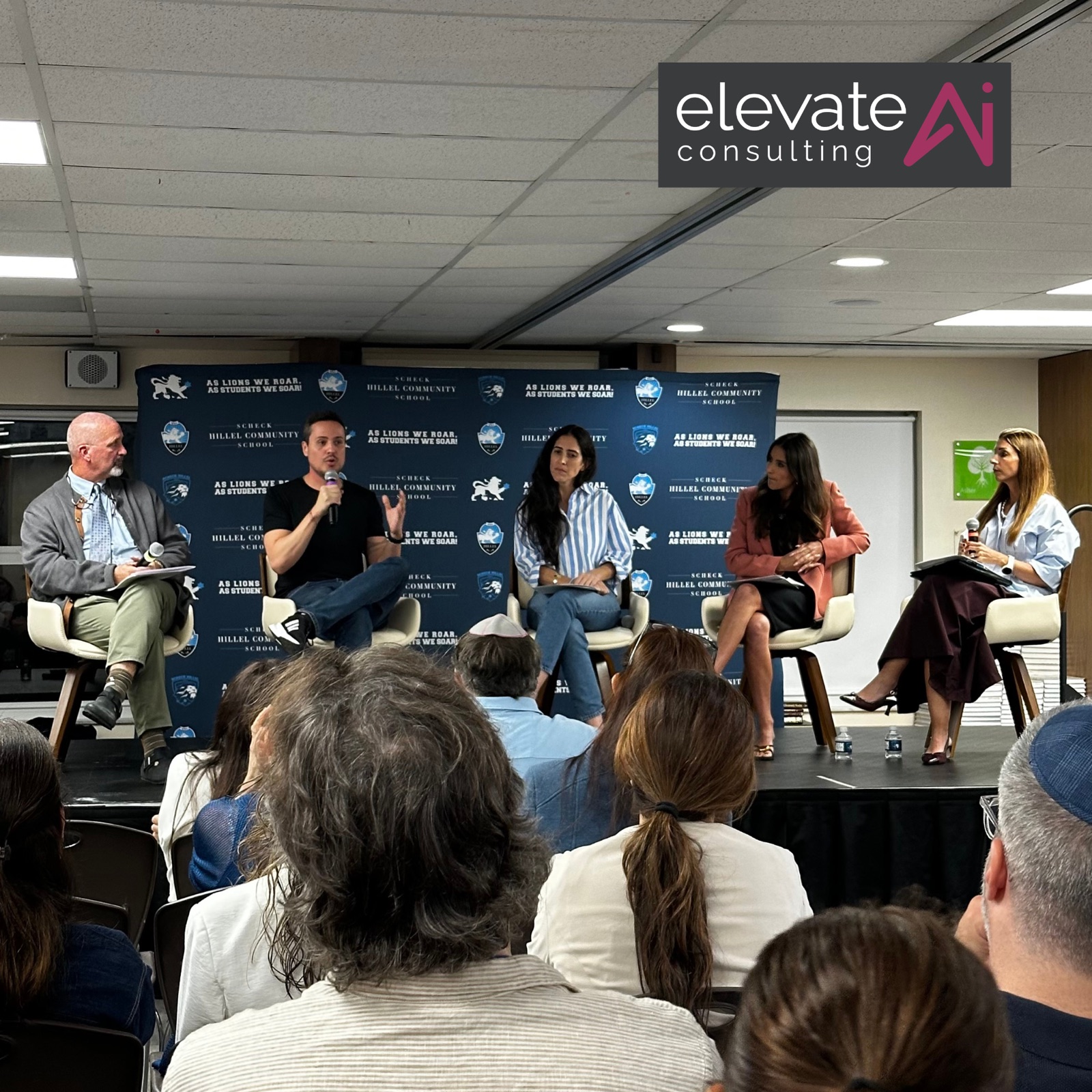
Kids should do the thinking first and use AI second
A theme that ran through the whole evening: the thinking has to come from the child. Kids do the work on their own first, and only then use AI to review it and question their reasoning. Used that way, AI makes them think harder, not less.
The line I kept coming back to on stage was this: AI can be the doer, but humans have to remain the thinkers. As AI gets more capable, the human skills get more valuable, not less: judgment, empathy, creativity, and relationships. Those are worth protecting at home, and they are also what makes someone good at using AI, since AI gives average output without clear human input.
AI is always available, which is exactly why kids turn to it
The most sobering point of the night: children are turning to AI for emotional support, sometimes sharing things they have never told an adult. AI always has time and often validates what a child feels, but it may not challenge them or give the guidance they need.
That is the real difference from social media. A social feed is something kids scroll. An AI chatbot is personal, always on, and agreeable, which makes it feel like a confidant. My guidance: keep the hard human things, like feelings and conflict, with people. The trust that brings a child to you instead of a chatbot gets built in small everyday moments.
Privacy is a setup task, not a background worry
This is the point I pushed on hardest. Review the privacy and data controls on every AI tool your family uses, and where the option exists, turn off the setting that lets your conversations be used to train future models. Do it with your kids so they see why it matters. I covered the same overlooked setting for professionals on the Take It To The Board podcast.
Teach them that anything typed into an AI tool could be stored, so personal information stays out, and check each tool's age requirements before a child signs up.
Kids will not fall behind by building foundations first
"Will my child be left behind?" was one of the questions parents sent in. The panel's answer: skipping a new AI tool the moment it launches does not put a child behind. Foundational skills stay essential as the technology gets easier to use.
What other schools can take from Scheck Hillel's approach
For school leaders working through the same questions, a few things about how Scheck Hillel handled this are worth borrowing. They built the policy first, with teachers, parents, and professionals at the table. They treated parents as partners, inviting them to send questions in advance. And they put mental health, curriculum, industry, and classroom perspectives side by side on one stage.
A policy tells families what the rules are. An evening like this helps them understand why, which is what makes the rules stick at home.
One conversation to start tonight
If you do one thing this week, sit down with your child and ask: "Show me how you use it. What's the best thing it's done for you, and what has it gotten wrong?" Then make it a family rule: the child tries first, AI comes second, and they tell a parent which tool they used. Asking what the AI got wrong builds the verification habit better than any lecture.
How I work with schools and parent groups
I am an Adjunct Professor at the University of Miami, where I teach "Human-Centered AI for All" to non-technical students, and I hold an MBA from IE Business School. Through Elevate AI Consulting, I work with companies, nonprofits, and schools on AI strategy, training, and governance, in English, Spanish, and Portuguese. I also volunteer in high schools with Junior Achievement of Greater Miami, so the questions parents asked that night are similar to the ones I hear from teenagers, college students and professionals firsthand. I have talked about AI for families on Noticias Telemundo and why AI adoption stalls without hands-on training.
Past talks, workshops, and podcast appearances are all on my speaking and events page.
Everything I teach runs on one idea: Human Intelligence First: you bring the intelligence, AI is just the tool.
Working on your school's AI policy, or planning a parent night, PTA meeting, or faculty session? See my interactive AI workshops or book a call to talk through your audience.
About the author
Thiago E. Ferreira is the Founder and CEO of Elevate AI Consulting, a Miami-based AI consulting firm, and an Adjunct Professor at the University of Miami, where he teaches Human-Centered AI for All. He holds an MBA from IE Business School and works with companies, nonprofits, and schools on AI strategy, training, and governance in English, Spanish, and Portuguese, and volunteers in Miami high schools with Junior Achievement of Greater Miami. Connect on LinkedIn or learn more about Thiago.
Frequently Asked Questions
Can I book Thiago Ferreira for a school, PTA, or educator event?
How can parents protect their child's privacy when using AI tools?
How is AI different from social media for kids?
How should a school approach AI policy and parent education?
Should children use AI for homework?
What does Human Intelligence First mean?
What should parents know about kids using AI?
Who can speak to parents and schools about AI in Miami?
Will my child fall behind if they don't use AI more?