No, AI Doesn't Use a Bottle of Water Every Time You Hit Enter
TL;DRShort Answer
No, AI Doesn't Use a Bottle of Water Every Time You Hit Enter If you've been following the AI news lately, you might've
What's the Actual Water Footprint of AI?
h of resources. Sounds dramatic, right? But according to a recent article in Scientific American , this claim isn't just exaggerated, it's missing the...No, AI Doesn't Use a Bottle of Water Every Time You Hit Enter
Understanding AI Water Consumption
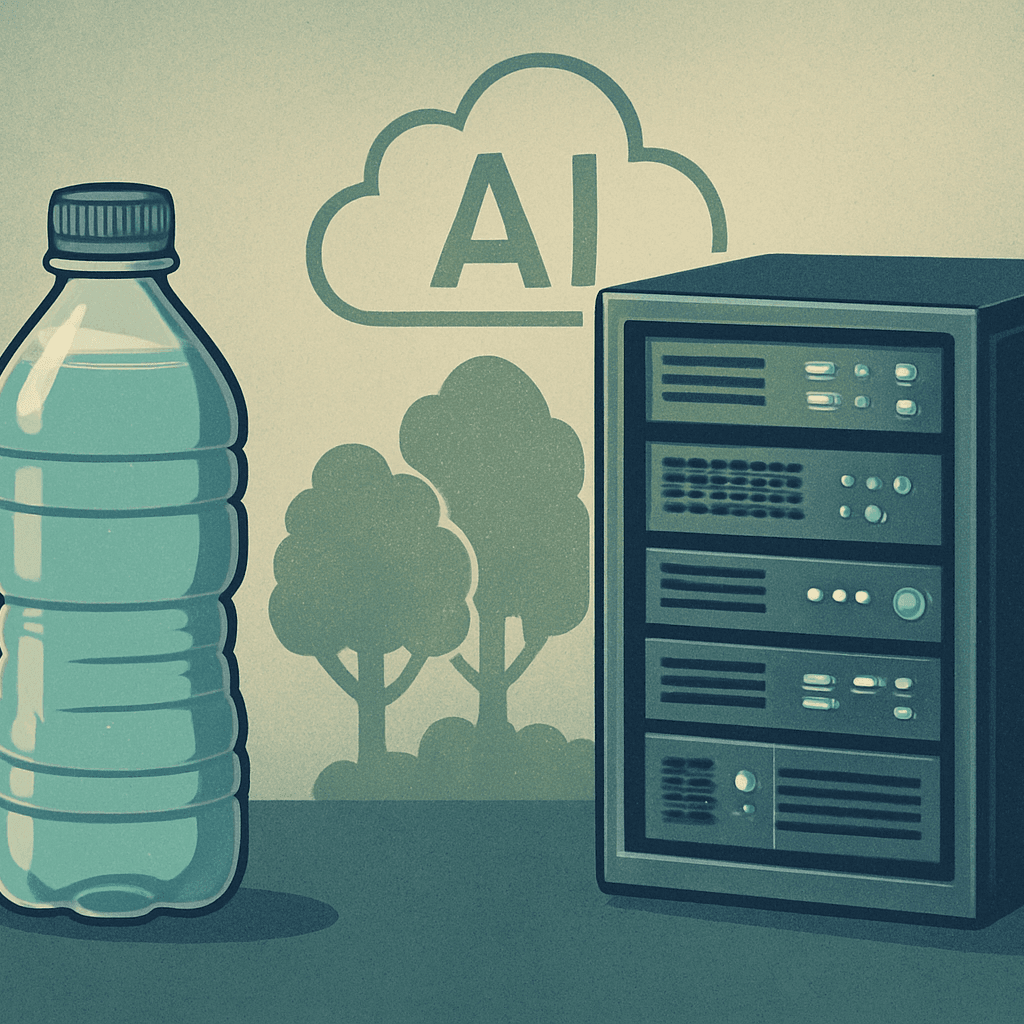
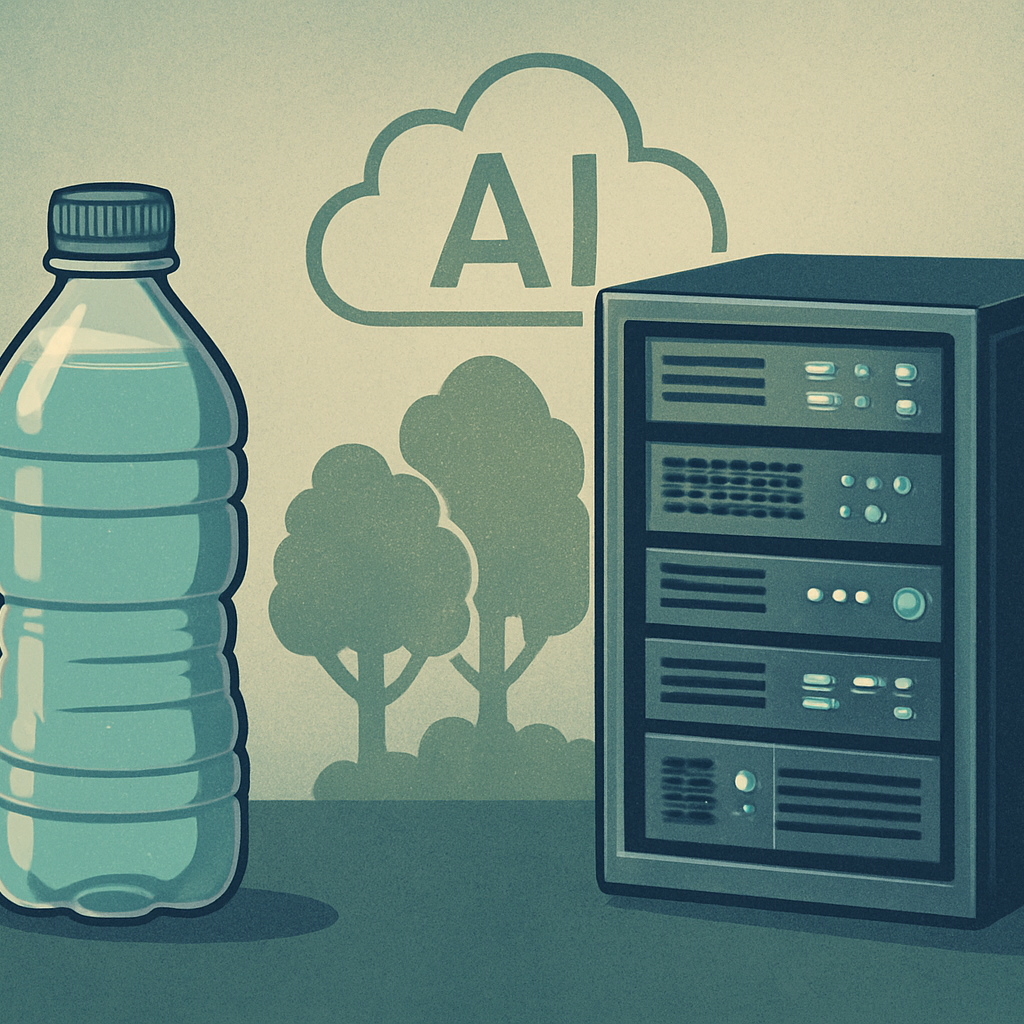
If you've been following the AI news lately, you might've come across this claim: every prompt you send to ChatGPT or another large language model uses about a bottle of water's worth of resources.
Sounds dramatic, right? But according to a recent article in Scientific American, this claim isn't just exaggerated, it's missing the bigger picture entirely.
What's the actual water footprint of AI?
Let's clear the air: yes, AI systems DO use water, mostly for cooling the data centers that power them. But saying each prompt uses "a bottle of water" oversimplifies what's happening and actually distracts from the real issue.
The authors of the article, Alan Gershenfeld and Michael Sellitto, argue that this kind of framing creates confusion rather than informed debate. Why?
Because:
• Water use varies by geography, infrastructure, and model type
• The "bottle of water per prompt" stat doesn't account for shared infrastructure across multiple tasks and users
• Most of the water AI systems consume is used in indirect ways, like evaporative cWhat Should We Actually Be Asking?
ce: "No, AI Doesn't Drink a Bottle of Water per prompt. The Engineering Reality of AI Infrastructure. Closed-Loop AI Cooling and Power Technical Report [Link to article]
So what should we actually be asking?
Instead of reducing the conversation to clickbait-friendly metaphors, the authors urge us to focus on:
Transparent reporting of water and energy use across AI providers
Comparative benchmarks (e.g., how AI stacks up to streaming, banking, or other digital services)
The tradeoffs of AI's potential benefits (like energy savings in other industries) vs. its footprint
How to Use AI Responsiblyt. Just like every new tech wave before it, from cloud computing to smartphones, generative AI brings both promise and pressure. We need smart regulation, informed debate, and responsible deployment.
But we also need to stop scaring people away from using AI tools that could genuinely improve their workflows, reduce stress, and make teams more efficient, especially if those fears are based on shaky numbers.
To my clients:
Here's what I tell every business team I work with:
Yes, let's use AI responsibly. Let's understand the infrastructure, the data, and the ethics.
But let's also recognize that the way we use AI: how often, for what purpose, and with what awareness. This matters more than any viral headline.
Want to train your team to use AI tools more efficiently, strategically, and responsibly?
That's what Elevate AI Consulting is here for.
🔗 Book a workshop or consultation: https://calendly.com/elevateaiconsulting
Explore our AI consulting services or contact us to learn more.
Frequently Asked Questions
How do AI companies address energy consumption concerns?
How does AI energy consumption compare to other industries?
How much water does AI actually consume?
Should I be concerned about AI's water usage?
What can businesses do to use AI more sustainably?
What is the real environmental impact of AI?