Microsoft Saved $500M with AI... But What Does That Actually Mean for the Rest of Us?
TL;DRShort Answer
Earlier this week, Bloomberg reported that Microsoft saved over $500 million last year by using AI to boost productivity in areas like sales and customer service. According to Chief Commercial Officer Judson Althoff, the company's internal use of tools like Microsoft Copilot is helping employees find more leads, close deals faster, and even write 35% of the code for new products.
Earlier this week, Bloomberg reported that Microsoft saved over $500 million last year by using AI to boost productivity in areas like sales and customer service.
According to Chief Commercial Officer Judson Althoff, the company's internal use of tools like Microsoft Copilot is helping employees find more leads, close deals faster, and even write 35% of the code for new products.
Microsoft's AI Success Story
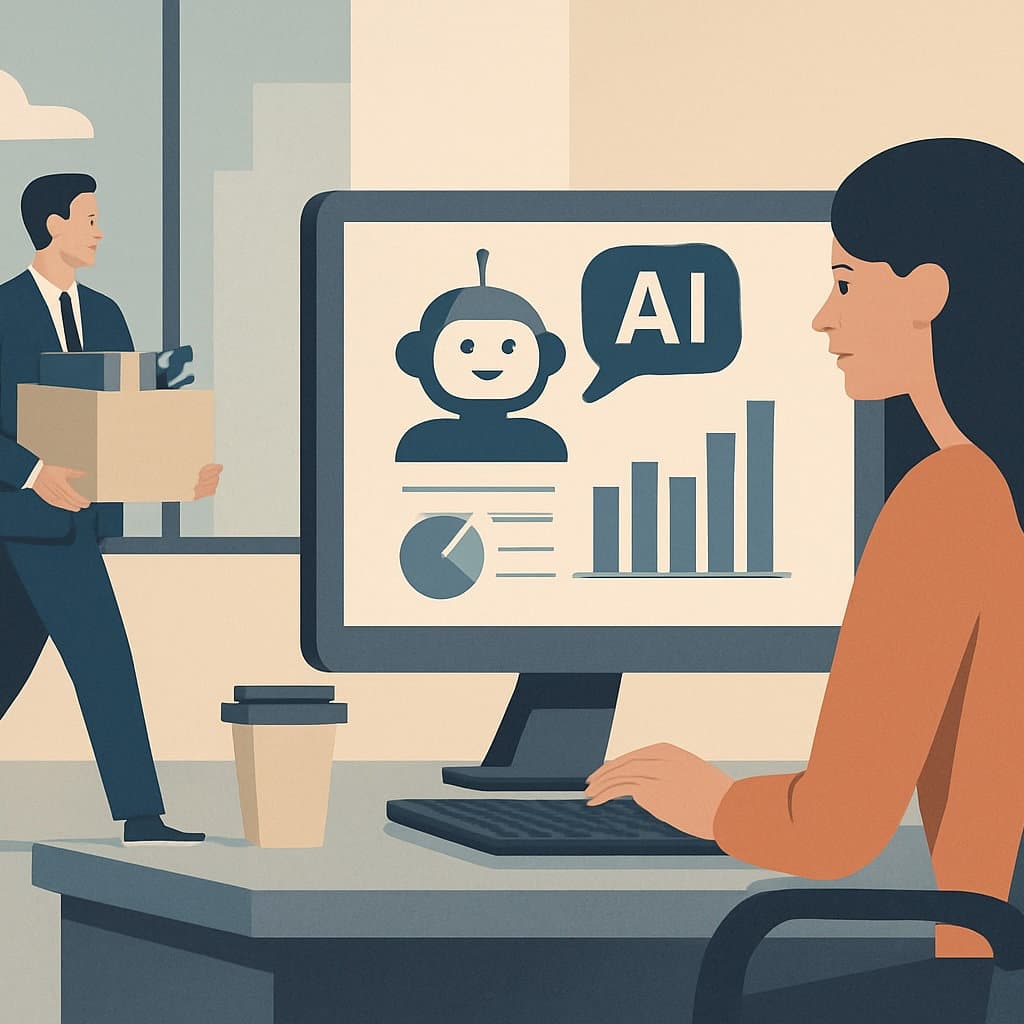
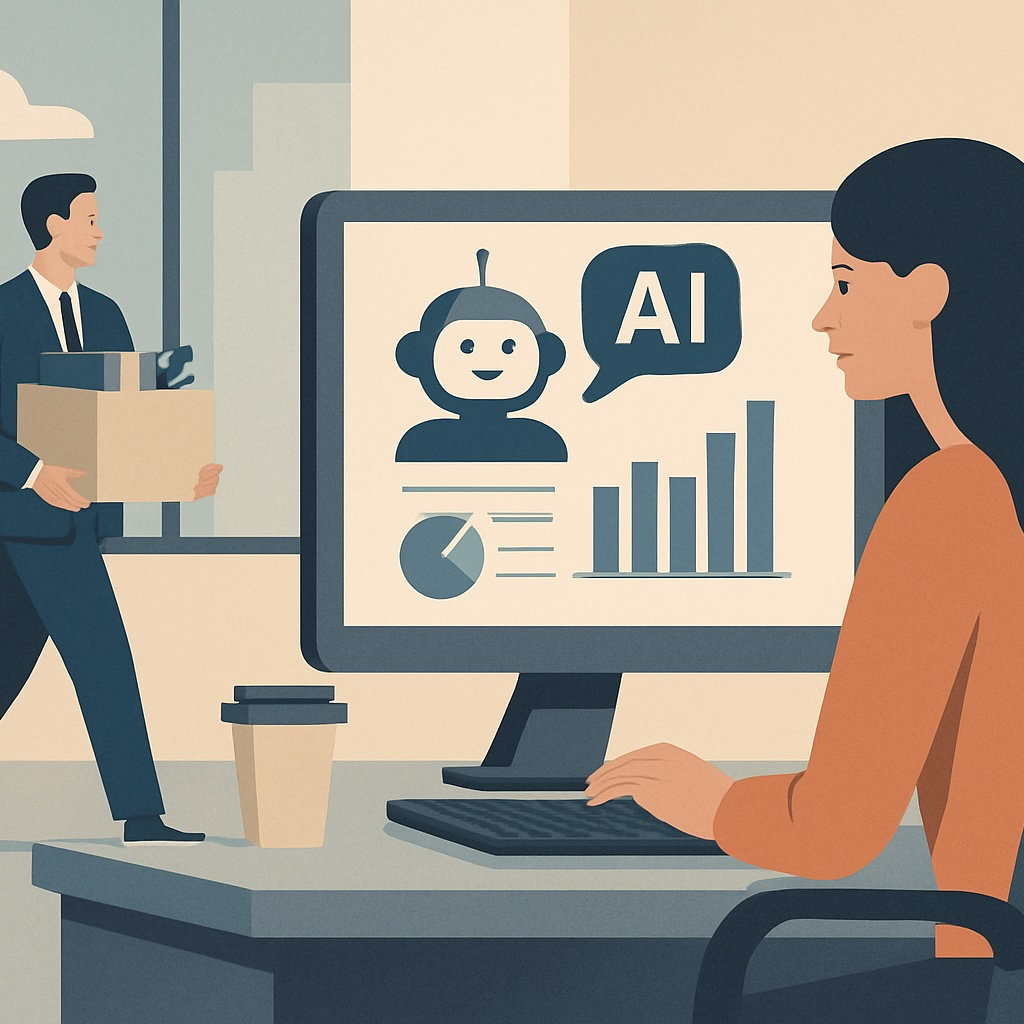
Productivity vs. People-r65be317">Because while AI is clearly creating massive productivity gains at the top, Microsoft also laid off about 15,000 people this year, many of them in the same customer-facing roles where AI is being deployed most aggressively.
That’s the part that always sticks with me...
What This Means for Your Business
Productivity vs. People
As someone who works with small businesses, nonprofits, schools, and teams trying to get started with AI, I see this dynamic from the other side. Most of my clients aren’t trying to replace people — they’re trying to help overworked teams breathe a little easier.
The companies I talk to usually want to:
Automate
Key Takeaways for SMBs
rsMake space for more strategic work, NOT less humanity
That’s the version of AI adoption I care most about: not “how fast can we scale,” but “how can we make things better for the people who are already doing the work?”
What This Means for Businesses Like Yours
Microsoft’s numbers are a wake-up call, not a roadmap. They show what’s possible with the right AI strategy, but they also show what’s at stake.
For small and mid-sized organizations, the opportunity isn’t to “become Microsoft.”
It’s to learn from what’s working and build your own version of it, in a way that matches your values, your team, and your goals.
That’s the work I do every day. And that’s the conversation we need to be having.
Explore our AI consulting services or contact us to learn more.
Frequently Asked Questions
Can small businesses achieve similar AI results to Microsoft?
Does AI adoption mean replacing employees?
How can small businesses start implementing AI?
How did Microsoft save $500 million with AI?
What does Microsoft's AI success mean for small businesses?
What should businesses consider before adopting AI?